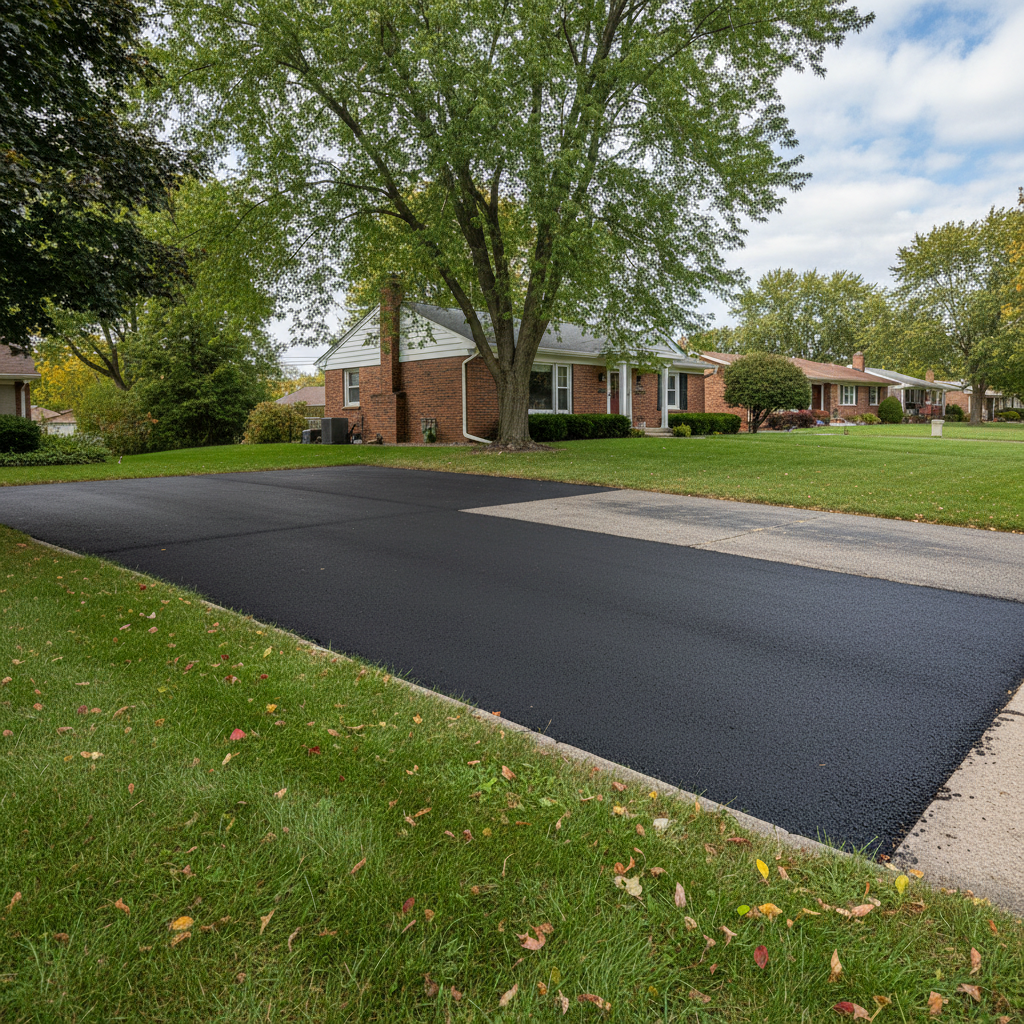
You just invested in getting your asphalt fixed, right? Good move. But that repair isn't a 'set it and forget it' deal. Especially here in Detroit, with our crazy freeze-thaw cycles and heavy traffic, you've gotta put in a little effort to make that repair last. Otherwise, you're just throwing money away, and nobody wants that.
Extend the Life of Your Asphalt Repair
The biggest thing you can do to get more years out of your asphalt repair is simple: protect it from water and sunlight. Water is the enemy of asphalt. It seeps into cracks, freezes, expands, and then you've got bigger cracks. Sunlight bakes the asphalt, making it brittle and prone to cracking.
- Sealcoating is your best friend: Think of sealcoat like sunscreen for your driveway or parking lot. It puts a protective layer over the asphalt, blocking UV rays and preventing water penetration. For a fresh repair, I usually recommend waiting about 6-12 months for the new asphalt to fully cure, then get it sealed. After that, every 2-3 years is a good schedule, depending on traffic and how harsh the winters are.
- Drainage, drainage, drainage: Make sure water isn't pooling on or near your repaired areas. If you've got low spots where water sits after a rain or snowmelt, that's a problem waiting to happen. Sometimes, a simple fix like clearing a clogged drain or adding a small French drain can make a huge difference.
- Keep it clean: Dirt, gravel, and debris can hold moisture against the asphalt and accelerate wear. Sweep or blow off your paved areas regularly. Oil and gas spills? Clean 'em up fast. They'll eat away at the binder in the asphalt.
Regular Maintenance: What You Should Be Doing
This isn't rocket science, folks. It's mostly common sense and a little bit of vigilance.
- Crack filling: This is probably the most crucial ongoing maintenance. Even with sealcoating, small cracks will eventually appear. Don't ignore them! Get them filled with a good quality hot-pour crack filler as soon as you see them. This stops water from getting in and doing its damage. I tell my customers, if a crack is wider than a quarter-inch, it needs attention.
- Edge care: The edges of your asphalt are often the weakest points, especially if they're not supported by concrete or a sturdy shoulder. Watch for crumbling edges and make sure they're not getting undercut by water runoff.
- Heavy vehicle awareness: If you've got heavy trucks constantly turning sharply or parking on your asphalt, especially in residential areas like downriver where some older driveways weren't built for that kind of load, you're going to see wear faster. Try to minimize heavy vehicle traffic, or at least encourage drivers to avoid sharp turns in the same spots.
Warning Signs: When Trouble's Brewing
Your asphalt will tell you when it's unhappy. You just need to know what to look for.
- New cracks or existing ones widening: This is the most obvious sign. If you see new spiderweb cracks (alligator cracking) or existing cracks getting bigger, you've got water infiltration or sub-base issues.
- Potholes: These are usually the result of neglected cracks. Water gets under the asphalt, freezes, expands, and then traffic breaks away the weakened surface. A pothole is an emergency for your asphalt.
- Fading and aggregate exposure: If your asphalt is looking gray instead of black, and you can see a lot of the small stones (aggregate) on the surface, that means the binder is wearing away. It's losing its flexibility and protection.
- Depressions or humps: These indicate a problem with the sub-base beneath the asphalt. Water might be eroding the soil, or the ground is shifting. This is a more serious issue than surface cracks.
When to Call a Professional
Look, I'm a contractor, so of course I'm going to say call a pro. But seriously, there are times when DIY just won't cut it, and trying to fix it yourself can actually make things worse or cost you more in the long run.
- Large areas of alligator cracking: If you've got a big section that looks like an alligator's back, that usually means the underlying base is failing. Crack filling won't solve this; you'll likely need a patch or even a full-depth repair.
- Deep potholes or multiple potholes: While you can patch a small pothole yourself, if they're deep, numerous, or keep reappearing in the same spot, you need professional assessment.
- Drainage problems: If water is consistently pooling on your asphalt, and you can't figure out why or how to fix it, a professional can assess the grading and recommend solutions.
- Sub-base issues: Any significant depressions, humps, or areas where the asphalt feels soft or spongy underfoot mean the foundation is compromised. This requires heavy equipment and expertise to fix correctly.
- When you don't have the right tools or time: Let's be honest, not everyone has access to professional-grade sealcoating equipment or hot-pour crack filler. And if you're too busy to do it right, it's better to let someone like us at Fortune Asphalt Detroit handle it. We've got the gear and the know-how to get it done right the first time.
Taking care of your asphalt isn't glamorous, but it's essential. A little bit of proactive maintenance goes a long way in protecting your investment and keeping your property looking good for years to come.